Blog
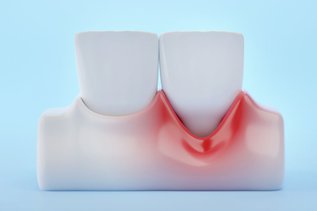
Receding Gums: Why Your Gums Are Pulling Back and How Dentists Treat It
Receding gums, also called gum recession, develop when the gum tissue around your teeth pulls back and exposes more of the tooth or its root. The most common causes are gum disease, brushing too hard, teeth grinding, naturally thin gum tissue and smoking.

Canadian Dental Care Plan (CDCP): What Patients in Maple and Vaughan Need to Know
For many residents in Maple and Vaughan, accessing dental care without private insurance has historically meant paying the full cost out of pocket. The Canadian Dental Care Plan (CDCP) was introduced to change that. As dentists near me become increasingly sought by Canadians looking for CDCP-accepting providers, understanding how this programme works has never been more important.

5 Questions People Ask About Cosmetic Dentistry
Cosmetic dentistry in Vaughan includes professional teeth whitening, dental bonding, porcelain veneers, Invisalign clear aligners, and complete smile makeovers. Most procedures are not covered by private insurance or the Canadian Dental Care Plan and are paid out of pocket. Good candidates are adults with healthy teeth and gums; active dental problems such as cavities or gum disease are treated first. Treatment length ranges from a single appointment for whitening and bonding to 12–18 months for Invisalign.
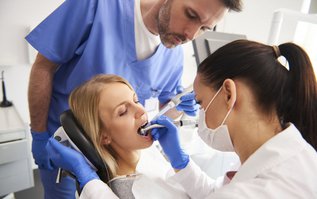
What Happens During a Root Canal: How the Procedure Works, Step by Step
During a root canal, a dentist removes the infected or damaged pulp from inside the tooth, cleans and shapes each root canal with fine instruments, fills the space with a biocompatible material, and seals the tooth before placing a protective crown. The procedure typically takes one to two appointments of 60 to 90 minutes each, is performed under local anesthetic so you feel pressure but not pain, and saves the natural tooth from extraction. Most patients are surprised by how routine and manageable the experience is compared to what they expected.

Symptoms and Signs of TMJ Disorders
TMJ stands for temporomandibular joint, the paired hinge joints that connect your lower jaw to your skull just in front of each ear. A TMJ disorder is any condition that causes pain or dysfunction in these joints and the surrounding muscles, producing symptoms that most commonly include jaw pain, clicking or popping sounds during movement, headaches, and difficulty fully opening or closing the mouth.

Invisalign in Maple, ON: Benefits Over Braces, Cost, and What to Expect
Invisalign is a clear aligner system that straightens teeth using a series of removable, custom-made plastic trays instead of metal brackets and wires. Patients in Maple and Vaughan choose Invisalign over traditional braces primarily because the aligners are nearly invisible when worn, can be removed for meals and brushing, and typically require fewer in-office visits.