Blog
All-on-X vs All-on-4: How Full Arch Dental Implants Have Evolved and Why All-on-X Delivers More
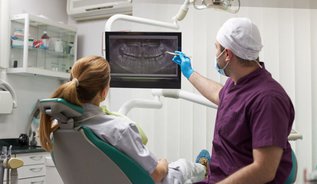
All-on-X and All-on-4 both replace a full arch of missing or failing teeth with a fixed set of new teeth held in place by dental implants, but they are not quite the same. All-on-4 follows a set formula of four implants per arch. All-on-X keeps everything that made All-on-4 so successful and removes the fixed number, so the treatment uses however many implants your mouth actually needs, most often four, five or six, chosen from a fully digital plan built around your bone, your bite and your goals.

How to Know If You Have a Cavity: Signs, What It Looks Like and When to See a Dentist
You may have a cavity if a tooth has become sensitive to hot, cold or sweet foods, if you feel a dull ache or sharp pain when biting, or if you can see a white, brown or black spot or a small hole on the tooth surface. A cavity is a permanently damaged area of the hard surface of a tooth caused by tooth decay, and it develops when plaque bacteria produce acid that dissolves the enamel.
Receding Gums: Why Your Gums Are Pulling Back and How Dentists Treat It
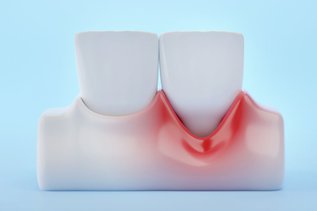
Receding gums, also called gum recession, develop when the gum tissue around your teeth pulls back and exposes more of the tooth or its root. The most common causes are gum disease, brushing too hard, teeth grinding, naturally thin gum tissue and smoking.

Canadian Dental Care Plan (CDCP): What Patients in Maple and Vaughan Need to Know
For many residents in Maple and Vaughan, accessing dental care without private insurance has historically meant paying the full cost out of pocket. The Canadian Dental Care Plan (CDCP) was introduced to change that. As dentists near me become increasingly sought by Canadians looking for CDCP-accepting providers, understanding how this programme works has never been more important.

5 Questions People Ask About Cosmetic Dentistry
Cosmetic dentistry in Vaughan includes professional teeth whitening, dental bonding, porcelain veneers, Invisalign clear aligners, and complete smile makeovers. Most procedures are not covered by private insurance or the Canadian Dental Care Plan and are paid out of pocket. Good candidates are adults with healthy teeth and gums; active dental problems such as cavities or gum disease are treated first. Treatment length ranges from a single appointment for whitening and bonding to 12–18 months for Invisalign.

What Happens During a Root Canal: How the Procedure Works, Step by Step
During a root canal, a dentist removes the infected or damaged pulp from inside the tooth, cleans and shapes each root canal with fine instruments, fills the space with a biocompatible material, and seals the tooth before placing a protective crown. The procedure typically takes one to two appointments of 60 to 90 minutes each, is performed under local anesthetic so you feel pressure but not pain, and saves the natural tooth from extraction. Most patients are surprised by how routine and manageable the experience is compared to what they expected.