Blog

When Is a Root Canal Necessary vs Tooth Extraction?
Have you ever wondered why dentists sometimes save a tooth and other times remove it completely? The distinction lies in how each procedure treats the problem. Understanding these differences helps patients make informed decisions about their oral health.

Foods That Can Damage Your Dental Crown: What to Skip
Sticky, hard, and sugary foods can damage your dental crown, and a temporary crown is the most likely to come off. Caramel, ice, popcorn kernels, and a whole apple are common culprits. A final crown is stronger, and it can still chip or let decay start at the edge if those habits continue.

Toothache vs. Sinus Pain: How to Tell the Difference
At first glance, a sinus infection and a dental issue can feel frustratingly similar. Pain in the upper back teeth, facial pressure, and sensitivity — these symptoms blur the lines between two distinct problems. However, knowing what to look for can save you from unnecessary dental work or missed medical treatment.

Does Insurance Cover Cosmetic Dentistry in Canada?
The term "cosmetic dentistry" might conjure up images of Hollywood smiles and Instagram-worthy veneers. Still, in Canada, it refers to a specific subset of dental procedures that focus primarily on aesthetic improvement rather than functional necessity.

How Porcelain Veneers Are Custom Fabricated: From Impression to Installation
Porcelain veneers are wafer-thin shells that are bonded to the front surface of teeth to enhance their appearance. But behind that perfect smile is a complex process involving highly engineered materials. The two most common types of materials used for dental veneers are porcelain and composite resin.
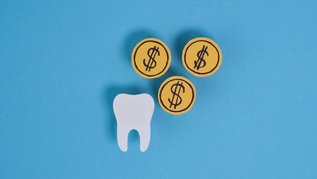
How Much Do Dental Implants Cost?
There’s no single price tag on dental implants in Canada. Costs can fluctuate widely depending on the patient’s specific needs, the clinic's location, and the complexity of the procedure. Let's examine the core elements that affect dental implant pricing.