
Dr. Amir Guorgui completed his dental education at the University of Montreal in 2001. He holds a prestigious Mastership designation at the College of Sedation, a recognition of his unwavering dedication to delivering top-notch sedation services to his patients. As an esteemed member of the Vaughan community, Dr. Guorgui takes great pleasure in connecting with his patients and imparting valuable knowledge about their oral health.
Gum Disease Stages: Symptoms, Causes, and Treatment Options
Gum disease doesn’t happen overnight — it develops slowly, often without pain, and catches many people off guard. What starts as mild bleeding or gum tenderness can quietly progress into a condition that threatens not only your oral health but also your overall well-being. In Canada, gum disease remains one of the most common yet underestimated dental conditions, affecting adults of all ages.
Understanding how gum disease develops, recognizing the warning signs, and knowing when to seek professional care are key to protecting your smile for life. From the earliest stages of gingivitis to the most advanced cases of periodontitis, each phase tells a story of how your gums respond to bacteria, lifestyle habits, and oral hygiene.
Key Takeaways
- Gum disease often starts quietly — bleeding gums, bad breath, and tenderness are among the first red flags.
- Early recognition and professional dental care are essential to prevent progression to periodontitis.
- Gum disease progresses in four main stages of periodontal disease, from reversible gingivitis to severe bone loss.
- Early gum disease (gingivitis) can be cured with professional cleanings and good oral hygiene.
- Advanced gum disease (periodontitis) cannot be fully cured, but it can be effectively managed to stop further damage.
- Knowing when to see a periodontist is vital — especially if you notice mobility, bone loss, or severe gum recession.
What are the early signs of gum disease, and how can you recognize them?
It often begins with something small: brushing your teeth and noticing a bit of pink in the sink. Light bleeding is one of the earliest signs of gum disease, and ignoring it can lead tomore serious dental problems.
Bleeding and Swollen Gums
The most common early symptom of gingivitis is bleeding gums during brushing or flossing. It’s the body’s natural inflammatory response to bacterial plaque. Gums may appear reddish and puffy instead of their normal firm, pink colour. This inflammation indicates that bacteria have already started to irritate the soft tissues.
Persistent Bad Breath
A less obvious but equally important symptom is chronic bad breath (halitosis). It occurs when bacteria trapped beneath the gumline produce sulphur compounds. If mouthwash doesn’t solve the issue, it could be a sign of early gum infection.
Gum Sensitivity and Tenderness
Healthy gums shouldn’t feel sore. When gum tissue begins to recede or becomes sensitive to temperature changes, it may indicate early gum inflammation. Sensitivity at this stage is reversible with early treatment. At this point, dentists may recommend non-surgical gum therapy — a deep cleaning treatment that targets bacteria below the gumline to reduce inflammation and support natural healing before surgical care becomes necessary.
Research from the Canadian Dental Association supports this: more than 70% of Canadians will experience gingivitis at some point, but early recognition significantly improves recovery outcomes.
How does gingivitis develop, and what causes it?
Gingivitis represents the first stage of gum disease and occurs when bacterial plaque on teeth builds up along the gumline. Plaque is a sticky film made up of bacteria, food debris, and saliva. If not removed through regular brushing and flossing, it hardens into tartar, which irritates the gums and triggers inflammation.
The Main Causes
- Poor Oral Hygiene: Infrequent brushing or flossing allows bacteria to thrive.
- Smoking: Tobacco use restricts blood flow, reducing the gums' ability to heal.
- Diet: Sugary foods and acidic beverages promote bacterial growth.
- Hormonal Changes: Pregnancy and menopause can heighten gum sensitivity.
Dr. James C.H. Ko, DDS, notes: “Gingivitis is entirely preventable. Consistent oral hygiene and professional cleanings make a significant difference in keeping your gums healthy.”
How Plaque Leads to Inflammation
Once plaque forms, toxins from bacteria irritate gum tissue, causing it to swell and bleed. This marks the transition from a healthy state of the gums to early gingivitis. Over time, if untreated, the condition can progress into periodontitis, leading to tissue and bone damage.
What does gum disease look like at different stages?
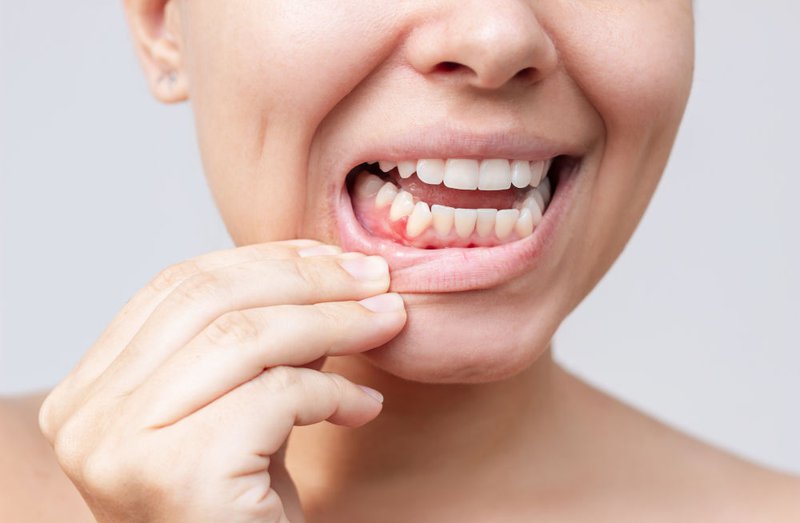
Gum disease changes its appearance as it progresses, moving from mild redness to visible gum recession and tooth movement. Recognizing what each stage looks like helps identify the condition before it causes permanent damage.
| Stage | Appearance | Symptoms | Reversibility |
|---|---|---|---|
| Gingivitis | Slight redness, swelling, and minor bleeding | Bad breath, tender gums | Reversible with good oral care |
| Early Periodontitis | Deeper gum pockets, receding gums | Occasional bleeding, discomfort | Partially reversible |
| Moderate Periodontitis | Gum recession exposing tooth roots | Tooth sensitivity, bad taste | Requires professional treatment |
| Advanced Periodontitis | Loose teeth, severe gum loss | Pain, difficulty chewing | Irreversible without surgical care |
Visual and Physical Indicators
- Red or purplish gums indicate active inflammation.
- Receding gums expose more of the tooth structure, often accompanied by longer-looking teeth.
- Loose teeth suggest that bone support is deteriorating beneath the gums.
Key Prevention Strategies
- Brush twice daily using a soft-bristle toothbrush.
- Floss once a day to remove plaque between teeth.
- Avoid smoking or vaping.
- Eat a balanced diet rich in Vitamin C and calcium.
- Schedule regular dental cleanings at least twice a year.
How do gum disease stages progress from gingivitis to periodontitis?
The journey from mild gum irritation to full-blown periodontal disease is gradual yet relentless. It usually begins with gingivitis, which, if left untreated, progresses to more destructive stages that affect both the gums and the supporting bone. Modern dentistry plays a crucial role in identifying and managing these stages early, using advanced diagnostic tools, deep cleanings, and preventive care to halt progression before irreversible damage occurs.
Step-by-Step Progression of Gum Disease
- Gingivitis: The first and only reversible stage. Caused by bacterial plaque buildup, it leads to red, swollen gums that bleed easily. No bone damage has occurred yet.
- Early Periodontitis: Plaque hardens into tartar beneath the gumline, forming small pockets. Gums begin pulling away from teeth, and bone loss begins subtly.
- Moderate Periodontitis: Pockets deepen, inflammation increases, and bone loss becomes visible on X-rays. Teeth may shift slightly, and bad breath becomes persistent.
- Advanced Periodontitis: The most severe form. Gums recede dramatically, teeth loosen, and bone deterioration can lead to tooth loss.
| Stage | Main Symptoms | Tissue/Bone Damage | Reversibility |
|---|---|---|---|
| Gingivitis | Red, swollen gums, bleeding when brushing | None | Fully reversible |
| Early Periodontitis | Mild gum recession, bad breath | Minor bone loss | Partially reversible |
| Moderate Periodontitis | Tooth sensitivity, gum pocketing | Noticeable bone loss | Requires professional treatment |
| Advanced Periodontitis | Loose teeth, pain, severe gum loss | Severe bone loss | Irreversible without surgery |
Dr. Yara Al Dabbagh, BDS, explains: “Each stage represents increasing bacterial penetration beneath the gums. Catching gum disease early allows us to reverse the process before it damages bone tissue.”
What causes gum disease to worsen over time?
While plaque is the starting point, several systemic and lifestyle factors determine how quickly gum disease progresses. Understanding what causes gum disease to worsen can help in prevention and control.
The Key Factors
- Poor Oral Hygiene: Skipping brushing and flossing allows plaque to build up.
- Smoking and Vaping: These habits reduce oxygen in the bloodstream and weaken the gum’s healing ability.
- Diabetes: High blood sugar levels impair circulation and immune function, increasing the risk of infection.
- Weakened Immune Response: Stress, illness, or certain medications can lower the body’s defence against bacteria.
The Role of Plaque and Tartar Over Time
Plaque that is not removed daily calcifies into tartar, trapping more bacteria beneath the gumline. These bacteria release toxins that erode connective tissue and bone, making gums detach from teeth. This deepens the pockets and accelerates destruction.
How can gum disease affect your whole body?
The connection between oral and overall health is undeniable. Chronic gum inflammation doesn’t just stay in your mouth; it triggers systemic effects that can influence major organs and immune pathways. Understanding this helps patients take gum health seriously.
Cardiovascular Complications
When gum bacteria enter the bloodstream, they may contribute to inflammation in blood vessels, which can affect cardiovascular health. Studies have shown a possible link between gum disease and an increased risk of heart conditions such as heart attack and stroke, emphasizing the importance of maintaining good oral hygiene to support overall health.
Diabetic and Immune System Impact
For those with diabetes, untreated gum disease can make blood sugar harder to control, creating a feedback loop that worsens both conditions. Inflammation from gums increases insulin resistance, putting more stress on the body’s metabolism.
Infection Spread to Other Areas
Severe gum disease can allow bacteria to travel beyond the mouth. This may cause secondary infections, sinus issues, or in extreme cases, systemic infections. These are often the symptoms of tooth infection spreading to body — including fatigue, fever, and swelling of the face or jaw.
How to Protect Both Mouth and Body
- Maintain daily oral hygiene habits: brush twice daily and floss once daily.
- Keep up with biannual professional cleanings.
- Manage systemic conditions like diabetes effectively.
- Avoid tobacco and vaping.
- Eat foods rich in nutrients like calcium and Vitamin D for stronger gums.
The stages of periodontal disease follow a predictable yet preventable path — from mild gingivitis to advanced periodontitis. Recognizing what causes gum disease and understanding how it affects your body allows patients to take control of their oral and overall health.
Can gum disease be cured or just managed?

Many patients ask, can gum disease be cured? The answer depends on how far the condition has progressed. Gum disease progresses in stages, and understanding these stages clarifies what can be reversed and what must be managed.
Reversible vs. Irreversible Stages
Gingivitis is the first stage of gum disease. At this point, gums may appear red, swollen, or bleed slightly during brushing. Fortunately, gingivitis is completely reversible. Professional cleaning by your dental hygienist removes plaque and tartar buildup, while improved brushing and flossing at home help the gums heal.
However, if left untreated, gingivitis progresses to periodontitis. At this stage, the infection damages the structures supporting your teeth, including the bone. Once bone loss occurs, the condition becomes irreversible, though it can be controlled with ongoing care.
How Periodontitis Is Managed
Managing periodontitis involves controlling infection and maintaining healthy gums through regular professional care. Treatments include:
- Scaling and root planing (deep cleaning) – removes bacteria and tartar from below the gum line.
- Antibiotic therapy reduces bacterial infection and inflammation.
- Regular maintenance visits – usually every 3 to 4 months for periodontal cleanings.
In some cases, advanced therapies like laser-assisted periodontal therapy or surgical intervention may be needed to restore gum and bone health.
How to fix receding gums and stop further damage
Gum recession occurs when the gum tissue pulls away from the teeth, exposing the roots. The question of how to fix receding gums depends on the severity of the condition.
Step-by-Step Guide to Repair and Recovery
- Identify the cause
Gum recession may result from aggressive brushing, gum disease, smoking, or even genetics. The first step is to eliminate contributing factors. - Professional deep cleaning
A dental hygienist or periodontist performs a deep cleaning to remove plaque and tartar from below the gum line, allowing tissue to heal. - Non-surgical treatments
- Antibacterial rinses help reduce infection risk.
- Desensitizing agents or fluoride varnishes may reduce tooth sensitivity.
- Surgical options
When gum recession progresses beyond the reach of non-surgical care, dental surgery becomes necessary to restore both appearance and protection:- Gum grafting: tissue from your palate or a donor source is grafted to the affected area.
- Pinhole surgical technique: a minimally invasive procedure that repositions existing gum tissue without incisions or sutures.
Preventing Further Damage
After treatment, maintaining gum health is crucial. Regular dental visits, gentle brushing with a soft-bristled toothbrush, and using fluoride toothpaste are essential steps. Avoid tobacco products, which can significantly slow healing and worsen gum recession.
What are the best ways to prevent gum recession?
If you’re wondering how to prevent gum recession, prevention begins with consistent oral hygiene and professional care.
Step-by-Step Prevention Guide
- Brush properly
Use a soft-bristled toothbrush and gentle circular motions at a 45-degree angle to the gum line. Overbrushing or using a hard-bristle brush can damage gum tissue. - Floss daily
Flossing removes plaque and food debris between teeth that your toothbrush can’t reach, preventing inflammation that can lead to gum recession. - Use an antibacterial mouthwash
Mouthwash helps reduce bacterial buildup and supports healthy gums. - Schedule regular dental cleanings
Professional cleanings at least twice a year help your dentist detect early signs of gum disease. - Manage lifestyle factors
Quit smoking, reduce stress, and maintain a balanced diet rich in vitamin C and omega-3 fatty acids to support gum tissue health.
What are the most common signs of gum disease that people ignore?
Most people don’t realize that gum disease often starts silently. By the time discomfort appears, the damage may already be significant. Understanding the signs of gum disease can make all the difference between early treatment and advanced complications.
Bleeding while brushing or flossing
It’s easy to dismiss bleeding gums as “brushing too hard,” but this is one of the earliest signs of gum inflammation. Healthy gums should not bleed. When they do, it’s often an indication of gingivitis — the first stage of gum disease. Ignoring bleeding gums can allow bacteria to spread deeper into the tissue, turning a minor issue into a chronic infection. Early intervention is essential to reverse the process.
Persistent bad breath (halitosis)
Bad breath that doesn’t improve with brushing or mouthwash can be a sign of bacterial buildup below the gum line. Bacteria release sulphur compounds, causing unpleasant odours that no amount of mints can mask. Persistent halitosis is often a red flag that your gums are harbouring an infection and need professional cleaning.
Gum tenderness or swelling
Tender, swollen gums indicate inflammation. In severe cases, gums may recede or form pockets around the teeth. Once these pockets deepen, bacteria thrive, accelerating gum and bone loss. This swelling is your body’s natural response to infection — it’s a warning sign that your gums need immediate care before permanent damage occurs.
Loose or shifting teeth
When gums and bone weaken, teeth may begin to move slightly, altering your bite. This is a clear sign the disease has progressed to periodontitis.
According to Dr. Rob Eisen DDS, of Mapleridge Dentistry: “Even mild gum tenderness should not be ignored. Early treatment can prevent bone loss and keep your teeth stable for years to come.”
When is it time to see a periodontist?
Many patients wonder when routine dental care is no longer enough. A periodontist specializes in treating advanced gum problems that exceed the scope of general dentistry.
Gum recession and root exposure
If your gums have receded to the point where roots are visible or teeth appear longer, it’s time for specialized evaluation. Periodontists offer grafting procedures and laser therapy to restore tissue. Recession exposes tooth roots to sensitivity and decay — early periodontal assessment can help preserve both aesthetics and function.
Bone loss or tooth mobility
When X-rays reveal bone loss or teeth begin to feel loose, a periodontist should step in. These specialists use regenerative procedures to slow or stop deterioration. Bone loss doesn’t just affect your smile — it threatens the stability of your entire bite, making timely intervention critical.
Persistent bleeding or infection
Bleeding gums that persist even after professional cleaning may indicate deep infection requiring advanced cleaning or localized antibiotics. Continuous bleeding indicates that bacteria have reached deeper gum tissue layers, and only targeted periodontal therapy can remove them effectively.
Chronic inflammation or non-healing areas
If you experience discomfort or redness that doesn’t resolve after weeks of good hygiene, schedule a periodontal consultation. Chronic inflammation may indicate an underlying systemic issue or resistant infection that general cleaning cannot address.
When General Dentistry Isn’t Enough
| Symptom | What a General Dentist Can Do | When to See a Periodontist |
|---|---|---|
| Mild bleeding | Cleaning and hygiene advice | If bleeding persists for more than 2 weeks |
| Receding gums | Monitor and suggest soft brushing | Visible roots or sensitivity increasing |
| Tooth mobility | Assess bite and bone support | If mobility worsens or pain develops |
What’s the best approach to treating gum disease long-term?

Long-term gum health depends on combining professional care with daily preventive habits. The earlier you act, the better your outcomes.
Regular professional cleanings
Routine cleanings remove plaque and tartar that cause gum inflammation. For those with a history of periodontitis, maintenance visits every 3–4 months are crucial. Regular visits not only keep gums healthy but also allow your dentist to catch small issues before they become serious.
Consistent oral hygiene at home
Brush twice a day using gentle circular motions and a soft-bristled brush. Don’t skip flossing — daily interdental cleaning significantly reduces gum inflammation. Investing in an electric toothbrush or water flosser can make your routine more effective and help reduce bacteria in hard-to-reach areas. Good home habits are your first line of defence.
Lifestyle choices that protect gums
Avoid smoking, limit alcohol, and eat foods rich in antioxidants like leafy greens and citrus. These support tissue healing and reduce inflammation. Your overall health directly affects your gums — staying hydrated, managing stress, and maintaining a balanced diet can significantly reduce the risk of recurrence.
Advanced care options
Depending on the case, treatments may include:
- Scaling and root planing for deep cleaning.
- Laser therapy for pocket sterilization.
- Gum grafting to restore lost tissue.
Long-Term Gum Disease Treatment Plan
| Stage | Goal | Treatment Focus | Maintenance Frequency |
|---|---|---|---|
| Early Gingivitis | Reverse inflammation | Professional cleaning, improved hygiene | Every 6 months |
| Mild Periodontitis | Control infection | Deep cleaning, antibiotics | Every 3–4 months |
| Advanced Periodontitis | Preserve bone | Surgical or laser therapy | Every 3 months |
Prevention Checklist
- Brush gently twice daily.
- Floss or use interdental brushes daily.
- Use an antimicrobial mouthwash.
- Quit smoking.
- Schedule cleanings every 6 months (or more frequently if advised).
Healthy gums are essential for more than just a great smile — they’re the foundation for lifelong oral health. With early detection, proper treatment, and ongoing care, you can manage and even reverse many effects of gum disease.
Frequently Asked Questions About Gum Disease and Its Stages
What is gum disease, and how does it start?
Gum disease begins with bacterial plaque buildup along the gumline. If not removed through daily brushing and flossing, it hardens into tartar, causing inflammation known as gingivitis. Left untreated, it can progress to periodontitis, which damages the bone supporting your teeth.
What are the early signs of gum disease?
Early signs of gum disease include bleeding gums, persistent bad breath, gum tenderness, and redness. At this stage, it’s still reversible with professional cleaning and improved oral hygiene.
How many stages of gum disease are there?
There are four main stages:
- Gingivitis – mild gum inflammation, reversible with care.
- Early Periodontitis – gum pockets begin to form.
- Moderate Periodontitis – gum recession and bone loss become visible.
- Advanced Periodontitis – severe bone destruction and tooth mobility.
Can gum disease be cured?
Early gum disease can be cured through professional cleanings and good home care. However, once it progresses to periodontitis, it can only be managed to prevent further damage.
What causes gum disease to worsen over time?
The main contributors include poor oral hygiene, smoking, diabetes, stress, and certain medications that reduce saliva flow. These factors accelerate bacterial growth and inflammation.
How does dentistry help prevent gum disease progression?
Modern dentistry offers preventive cleanings, scaling and root planing (deep cleaning), and diagnostic imaging to detect bone loss early. Regular visits allow dentists to stop progression before it becomes irreversible.
How can gum disease affect my overall health?
Untreated gum disease increases inflammation throughout the body and has been linked to heart disease, diabetes, and stroke. Bacteria from infected gums can enter the bloodstream and affect other organs.
How can I fix receding gums without surgery?
Mild gum recession can often be managed with non-surgical gum therapy, antibacterial rinses, and desensitizing treatments. Severe cases may require gum grafting or pinhole procedures.
Can gum disease return after treatment?
Yes, gum disease can return if oral hygiene is neglected. Regular maintenance cleanings every 3–6 months, depending on your dentist’s recommendation, are crucial to keep gums healthy.
