
Dr. Amir Guorgui completed his dental education at the University of Montreal in 2001. He holds a prestigious Mastership designation at the College of Sedation, a recognition of his unwavering dedication to delivering top-notch sedation services to his patients. As an esteemed member of the Vaughan community, Dr. Guorgui takes great pleasure in connecting with his patients and imparting valuable knowledge about their oral health.
Foods That Can Damage Your Dental Crown: What to Skip
Key Takeaways
- Dental crowns are custom-made caps that restore, protect, and strengthen damaged teeth.
- Temporary crowns are short-term solutions and differ significantly from permanent crowns in both materials and durability.
- A temporary tooth cap should last 2–3 weeks; signs of failure include discomfort, shifting, or breakage.
- Hard, sticky, or sugary foods are most likely to damage crowns — especially temporary ones.
- Knowing the differences between crown types and proper care ensures long-term dental health.
What is a dental crown, and how does it protect your tooth?
Imagine breaking a tooth during dinner — painful, right? A dental crown steps in like a helmet for your tooth, protecting and restoring it after damage, decay, or even root canal treatment. But not all crowns are the same, and understanding the nuances can help you make informed dental decisions.
What Is a Dental Crown?
A dental crown is a custom-fitted cap placed over a tooth to restore its shape, strength, appearance, and function. Crowns are often recommended when a tooth is too damaged for a filling but not lost completely.
Crowns are used in cases like:
- Severe tooth decay
- Cracked or broken teeth
- After root canal therapy
- Cosmetic enhancements (discoloured or misshapen teeth)
- Dental bridges (to anchor the bridge)
As Dr. Amir Guorgui, BSC, DMD, MACSD, explains:
“A crown acts as a second chance for a tooth that would otherwise need extraction. It provides structural support and prevents further breakdown.”
Which foods are most likely to damage a dental crown?
Let’s talk food. While crowns are strong, they're not indestructible. And some foods are definite enemies — especially when it comes to temporary crowns.
High-Risk Food Categories
The table below outlines the most crown-damaging food types, their risks, and examples:
| Food Type | Risk to Crown | Examples |
|---|---|---|
| Sticky | Can dislodge or loosen the crown | Caramel, chewing gum, taffy |
| Hard | May crack or break the crown | Ice, hard candy, nuts, popcorn |
| Sugary | Encourages decay under the crown | Soda, candy, sweetened cereals |
| Crunchy | May create excessive pressure | Raw carrots, crusty bread |
Even a strong permanent crown can fail under extreme pressure or with constant exposure to decay-causing sugar.
Practical Tips
- Cut crunchy vegetables into small pieces.
- Avoid chewing gum or sticky candies.
- Never use teeth to open packages.
- Stay hydrated to maintain a healthy oral environment
Why are sticky candies and chewing gum dangerous for a crown?
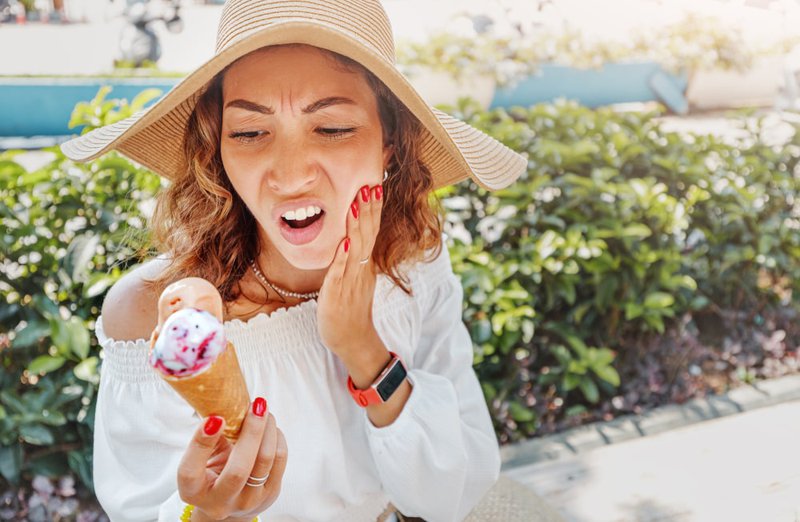
Sticky treats may be delicious, but they’re one of the leading causes of dislodged crowns — especially temporary ones. It all comes down to how adhesive forces interact with loosely cemented dental work.
How Stickiness Pulls Off Crowns
Sticky substances like taffy, caramel, and chewing gum cling to surfaces. When they bind to a temporary crown, they can create enough suction or pulling force to dislodge it. Temporary cement is purposely weaker, making these crowns more vulnerable.
Why Temporary Crowns Are More at Risk
- Weaker cement
- Less precise fit
- Lower adhesion strength
These factors make temporary crowns a short-term solution that can’t handle the repeated pull of sticky foods.
Key Offenders
- Chewing gum
- Tootsie rolls
- Caramels
- Gummy candies
- Sticky granola bars
Tip: If it sticks to your fingers, it’s risky for your crown.
Are hard foods like popcorn or nuts bad for the crowns of teeth?
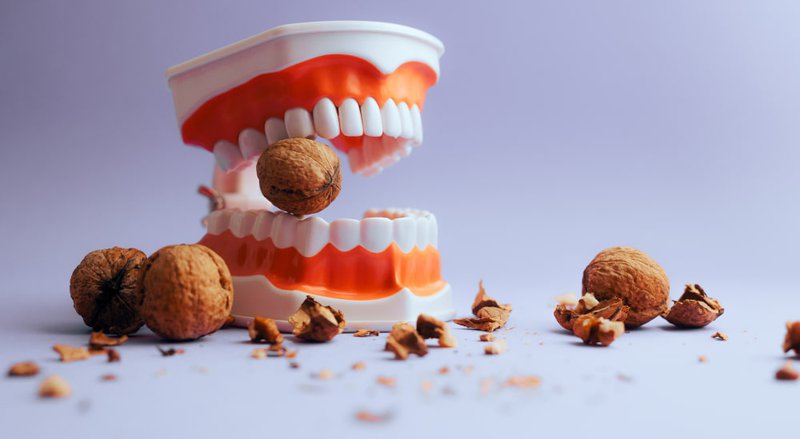
Yes — and not just for temporary crowns. Even permanent crowns can fracture or dislodge under the wrong bite pressure.
Why Hard Foods Are a Problem
Chewing hard foods introduces excessive stress on the crown’s structure. While materials like porcelain and zirconia are durable, they’re not indestructible.
Risks of hard food:
- Microfractures
- Chips
- Dislodgement from the underlying tooth
- Crown cracking
Dr. James C.H. Ko DDS notes:
“Hard foods are hazardous immediately after crown placement. The cement is still curing, and bite alignment may not be fully adapted.”
Temporary vs. Permanent Risk
| Food Item | Risk to Temporary Crown | Risk to Permanent Crown |
|---|---|---|
| Ice cubes | Very High | Medium |
| Hard nuts | High | Medium |
| Popcorn kernel. | Very High | High |
| Hard candy | High | Medium |
Observation: Temporary crowns are far more vulnerable to breakage due to their softer material and temporary cement.
What drinks should you avoid with a new or temporary crown?
What you sip can be just as harmful as what you chew. Certain beverages can damage, discolour, or loosen crowns — especially in the early days after placement.
Problematic Beverage Types
| Drink Type | Risk | Examples |
|---|---|---|
| Hot beverages | Soften the temporary cement | Coffee, tea |
| Cold drinks | Cause sensitivity | Iced water, soda |
| Acidic liquids | Erode bonding or enamel | Citrus juice, wine, energy drinks |
| Staining drinks | Discolour temporary crowns | Red wine, coffee, cola |
What to Do Instead
- Use a straw to bypass the crown contact.
- Avoid overly hot or iced drinks for 3–5 days.
- Rinse with water after consuming acidic or staining beverages.
Can crunchy fruits and vegetables damage your crown?
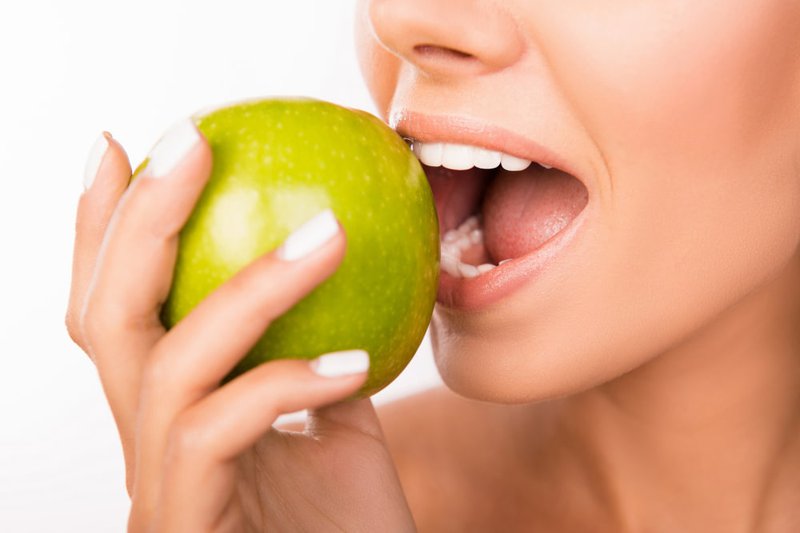
Yes — especially if you bite straight into them. Crunchy produce like apples, carrots, and corn on the cob poses real risks to dental crowns, particularly temporary ones.
Why Crunchy Foods Can Be Dangerous
Crunchy fruits and vegetables can:
- Apply uneven pressure on crowns
- Crack porcelain or ceramic layers
- Loosen crowns that aren’t fully bonded yet
Problem foods include:
- Raw carrots
- Whole apples
- Celery stalks
- Corn on the cob
- Hard pears
Nutrition-Safe Methods to Protect Your Crown
You don’t have to avoid these healthy foods altogether — just adjust your approach. Here’s how to protect your crown while still enjoying a nutritious diet.
Step-by-Step Eating Tips
- Slice fruits and vegetables into thin pieces. This reduces biting force and makes chewing safer.
- Chew on the side opposite your crown (if only one crown exists).
- Steam or blanch vegetables to slightly soften them.
- Cut corn off the cob before eating.
- Avoid eating crunchy foods when the crown is newly placed (first 5–7 days).
What happens if your crown comes off while eating?
If your crown pops off mid-meal, don’t panic — but do act quickly. A dislodged crown can expose the sensitive tooth structure beneath and increase the risk of damage or infection.
Immediate Steps to Take
Step-by-Step Emergency Response
- Stop chewing immediately. Avoid swallowing or biting down further.
- Retrieve the crown if it's in your mouth, then rinse gently.
- Rinse your mouth with warm salt water to remove debris.
- Inspect the tooth. If it’s painful, avoid touching it.
- Store the crown safely. A clean plastic container or zip-lock bag works well.
- Call your dentist as soon as possible to arrange re-cementing or repair.
Temporary Fixes (If You Can’t Get to the Dentist Immediately)
You can temporarily reattach the crown using over-the-counter dental cement, available at pharmacies.
Instructions:
- Clean the crown and the exposed tooth.
- Apply dental cement inside the crown.
- Gently place it back over the tooth.
- Avoid chewing on that side until you see your dentist.
Caution: Never use glue or household adhesives. These are toxic and can permanently damage your tooth.
When to Visit the Dentist
You should seek professional help within 24–48 hours of crown loss, or sooner if:
- The tooth is sensitive or painful
- The crown is cracked or doesn’t fit anymore
- You swallowed the crown
What are the best crown-friendly foods for healing and maintenance?
After crown placement, choosing the right foods can support healing and extend the life of your restoration. A crown-friendly diet reduces pressure on the dental work and promotes gum and tooth health.
What to Eat (and Why)
| Food Type | Why It's Crown-Friendly | Examples |
|---|---|---|
| Soft foods | Reduce bite pressure on the crown | Mashed potatoes, yogurt, oatmeal |
| Non-sticky foods | Won’t pull or stress the temporary cement | Eggs, rice, smoothies |
| Non-acidic foods | Protect enamel and crown adhesion | Cooked veggies, lean meats |
| Hydrating foods | Promote saliva flow and oral hygiene | Cucumbers, watermelon, soups |
Top Food Choices for Recovery
- Scrambled eggs
- Avocado toast (soft bread)
- Plain pasta or noodles
- Applesauce
- Cooked fish or chicken (soft pieces)
- Cottage cheese or soft cheeses
- Smoothies (without seeds or granola)
Foods to Avoid During Healing
- Crunchy chips or pretzels
- Sticky granola bars
- Acidic fruits like oranges or grapefruit
- Spicy foods if gums are tender
Helpful Tips for Maintenance
- Drink plenty of water
- Chew slowly and mindfully
- Clean around the crown with gentle flossing and brushing
- Rinse with fluoride mouthwash daily
Can your diet affect how long your crown lasts?
Absolutely. What you eat every day can either support or sabotage your dental crown’s longevity. Just like natural teeth, crowns are affected by the overall environment in your mouth — starting with your diet.
How Diet Impacts Dental Durability
Your crown is only as healthy as the tooth it’s protecting. A poor diet can encourage decay around the base of the crown or weaken the bond to the tooth underneath.
Dietary issues that shorten crown life:
- Excess sugar (increases bacterial acid production)
- Acidic foods (erode enamel and adhesives)
- Frequent snacking (prevents saliva from neutralizing acid)
- Hard foods (cause physical stress and cracks)
Foods That Support Crown Longevity
A nutrient-rich diet can reinforce your dental health and increase the lifespan of your crowns.
Crown-protective nutrients include:
- Calcium and phosphorus (strengthen enamel): cheese, almonds, leafy greens
- Vitamin D (helps calcium absorption): eggs, fortified milk
- Vitamin C (supports gum health): bell peppers, strawberries
- Water-rich foods (stimulate saliva): cucumbers, melons, celery
What foods to skip and how to keep your crown safe
Whether your crown is brand new or several years old, knowing how to protect it daily is key to its longevity. Below is a final breakdown of what to avoid — and what to do — in your daily routine.
Harmful vs. Safe Choices
| Category | Harmful Foods/Drinks | Safer Alternatives |
|---|---|---|
| Sticky | Caramel, gum, dried fruit | Soft bread, banana slices |
| Hard | Ice, popcorn kernels, hard candy | Mashed veggies, soft grains |
| Acidic | Citrus juice, wine, soda | Water, herbal tea, milk |
| Crunchy | Raw carrots, apples (whole) | Steamed veggies, sliced fruit |
| Sugary | Candy, soda, sweet cereals | Unsweetened yogurt, whole grains |
Crown-Safe Eating Tips
- Cut and cook: Slice fruits and steam vegetables
- Chew mindfully: Eat slowly and on the opposite side if needed
- Avoid extremes: Skip very hot or very cold drinks
- Stay hydrated: Water promotes natural oral cleansing
Crown Longevity Is in Your Hands
While materials like zirconia and porcelain are resilient, they’re not immune to bad habits. With mindful food choices and oral care, your dental crown can last comfortably and safely for over a decade.
FAQ
Which foods are most likely to damage a dental crown?
Hard, sticky, sugary, and crunchy foods are the main culprits. Examples include caramel, chewing gum, ice, hard candy, nuts, raw carrots, and crusty bread.
Why are sticky candies and chewing gum dangerous for crowns?
Sticky foods can dislodge or loosen a crown, especially temporary ones, due to their adhesive force pulling on the weaker cement used for temporary crowns.
Are hard foods like nuts or popcorn bad for permanent crowns too?
Yes. Hard foods can introduce excessive stress on both temporary and permanent crowns, potentially causing microfractures, chips, or even dislodgement.
Which drinks should I avoid with a new or temporary crown?
Hot beverages (coffee, tea), cold drinks (iced water, soda), acidic liquids (citrus juice, wine), and staining drinks (red wine, cola) can soften cement, cause sensitivity, erode enamel, or stain the crown.
Can crunchy fruits and vegetables damage my crown?
Yes. Biting directly into raw apples, carrots, corn on the cob, or hard pears can crack, loosen, or put uneven pressure on crowns. Cutting or cooking these foods helps reduce the risk.
What should I do if my crown comes off while eating?
Stop chewing immediately, retrieve and rinse the crown, rinse your mouth, store the crown safely, and contact your dentist promptly. Over-the-counter dental cement can be a temporary fix if you can't see a dentist immediately.
What are the best foods to eat after crown placement?
Soft, non-sticky, non-acidic, and hydrating foods are ideal. Examples include mashed potatoes, yogurt, cooked vegetables, eggs, rice, smoothies, and soft fish or chicken.
Can diet affect how long my crown lasts?
Yes. Excess sugar, acidic foods, frequent snacking, and hard foods can weaken the bond or damage the crown. A nutrient-rich diet with calcium, phosphorus, vitamin D, and vitamin C supports crown longevity.
Are there safer alternatives to risky foods for crown protection?
Yes. For sticky foods, choose soft bananas or bread. For hard foods, opt for mashed vegetables or soft grains. For acidic drinks, drink water, milk, or herbal tea. For crunchy foods, slice or cook them before eating.
How can I maintain my crown long-term?
Chew mindfully, cut and cook hard foods, avoid extremes in temperature, maintain oral hygiene with brushing and flossing, rinse with fluoride mouthwash, and stay hydrated to support crown longevity.
