

Dr. Amir Guorgui completed his dental education at the University of Montreal in 2001. He holds a prestigious Mastership designation at the College of Sedation, a recognition of his unwavering dedication to delivering top-notch sedation services to his patients. As an esteemed member of the Vaughan community, Dr. Guorgui takes great pleasure in connecting with his patients and imparting valuable knowledge about their oral health.
Dry Mouth (Xerostomia): Causes, Symptoms, and What It May Signal About Your Oral Health
Dry mouth may seem like a minor inconvenience, but persistent dryness — known as xerostomia — can significantly affect oral health. It occurs when the salivary glands do not produce enough saliva to properly lubricate the mouth. Because saliva protects teeth, controls bacteria, and supports normal oral function, reduced saliva flow can increase the risk of cavities, gum disease, and infections. While dry mouth can occur temporarily due to dehydration or stress, chronic symptoms may signal underlying issues such as medication side effects, salivary gland dysfunction, or systemic health conditions.
Key Takeaways
- Xerostomia (dry mouth) occurs when the salivary glands produce insufficient saliva to keep the mouth properly lubricated.
- Saliva is essential for protecting teeth, remineralizing enamel, and controlling harmful bacteria in the oral cavity.
- Chronic dry mouth increases the risk of tooth decay, gum disease, oral infections, and enamel erosion.
- Even when drinking enough water, dry mouth can persist due to medications, salivary gland dysfunction, autoimmune diseases, or breathing habits.
- Professional dental care and preventive strategies can help protect teeth and gums when saliva levels are reduced.
- Early symptoms include persistent thirst, sticky saliva, bad breath, and cracked lips.
- Advanced symptoms may involve a burning tongue, difficulty swallowing, frequent cavities, and oral infections.
What is xerostomia, and how does dry mouth affect oral health?
Xerostomia is the medical term for persistent dry mouth caused by reduced salivary production. While occasional dryness — such as when you are dehydrated or anxious — may be temporary, xerostomia refers to a chronic condition that interferes with normal oral function and health.
Saliva plays a crucial protective role in the mouth. It lubricates oral tissues, aids digestion, neutralizes harmful acids, and helps maintain the balance of bacteria in the oral microbiome. Without adequate saliva, the oral environment becomes more vulnerable to disease.
According to oral health research, saliva acts as a natural defence system in the mouth by neutralizing acids, controlling bacteria, and supporting enamel remineralization. When saliva flow decreases, the risk of tooth decay and oral infections increases.
In clinical practice, dental professionals often recognize xerostomia through symptoms such as:
- A persistent dry or sticky feeling in the mouth
- Difficulty swallowing or speaking
- A burning sensation on the tongue or oral tissues
- Increased tooth sensitivity
- Frequent bad breath (halitosis)
- Cracked lips or dry throat
- Changes in taste perception
Although these symptoms may appear minor at first, prolonged dry mouth can significantly impact both oral health and overall well-being.
Role of saliva in dental health
Saliva performs several vital biological functions that help maintain oral health.
First, it cleanses the mouth naturally. After eating, saliva helps wash away food particles and sugars that bacteria would otherwise use to produce acid. Without this process, plaque bacteria multiply rapidly.
Second, saliva contributes to enamel remineralization. Tooth enamel constantly undergoes cycles of demineralization and remineralization. Minerals such as calcium and phosphate in saliva repair microscopic enamel damage and help maintain tooth strength.
Third, saliva contains antimicrobial compounds, including enzymes and proteins that inhibit the growth of harmful bacteria, fungi, and viruses.
Without sufficient saliva, these protective processes become impaired.
Why saliva matters for cavity prevention
A reduction in saliva significantly increases the risk of dental caries (cavities).
Bacteria in dental plaque feed on sugars and starches from food. During this process, they produce acids that erode tooth enamel. Normally, saliva dilutes and neutralizes these acids, limiting their damaging effects.
But in a dry mouth environment:
- Acid levels remain elevated longer
- Plaque bacteria multiply more easily
- Food debris stays on tooth surfaces
- Remineralization slows down
This combination creates ideal conditions for cavities to develop — particularly around the gum line and between teeth.
Many patients with xerostomia also experience rapid progression of tooth decay, which dentists sometimes call “dry mouth caries.” These cavities can appear suddenly and affect multiple teeth at once.
Dr. James Tanzil, DDS, explains: “Saliva is one of the most important natural defences the mouth has against cavities and gum disease. When saliva levels drop, bacteria and acids have a much easier time damaging teeth.”
In addition to cavities, xerostomia can contribute to oral inflammation, fungal infections, and gum disease, underscoring the importance of early detection.
Key functions of saliva in oral health
| Saliva Function | How It Protects the Mouth | Impact if Saliva Is Reduced |
|---|---|---|
| Oral lubrication | Keeps oral tissues moist and comfortable | Dry tissues become irritated or inflamed |
| Acid neutralization | Buffers acids produced by bacteria | Higher risk of enamel erosion |
| Remineralization | Supplies calcium and phosphate to strengthen enamel | Increased cavity formation |
| Antimicrobial activity | Controls bacteria and fungi in the mouth | Higher risk of infections |
| Food clearance | Washes away debris and sugars | Plaque accumulation increases |
These functions explain why persistent dry mouth should never be ignored. Early dental evaluation allows clinicians to determine whether the issue is temporary or part of a larger health concern.
What causes dry mouth, and why does it happen?
Dry mouth is rarely caused by a single factor. In many cases, xerostomia results from multiple underlying conditions or lifestyle influences that reduce saliva production or disrupt the normal function of salivary glands.
Dental professionals generally categorize causes of dry mouth into three broad groups: medical conditions, medications, and lifestyle factors. Understanding these causes is important because effective treatment often depends on addressing the underlying issue.
Medical conditions associated with dry mouth
Several health conditions can affect salivary gland function.
One of the most well-known causes is diabetes mellitus. Elevated blood glucose levels can lead to dehydration and reduced saliva production. People with diabetes may also experience changes in saliva composition, which further increases the risk of oral infections.
Other medical conditions linked to dry mouth include:
- Parkinson’s disease
- Alzheimer’s disease
- Stroke
- HIV/AIDS
- Anxiety disorders
These conditions may affect the nervous system pathways that control saliva production.
Medications and dry mouth
Medication use is one of the most common causes of chronic xerostomia.
According to oral health research, more than 500 medications can cause xerostomia as a side effect, making drug-induced dry mouth one of the most common causes of reduced saliva production. This information is highlighted by the College of Dental Hygienists of Ontario.
These include medications used to treat:
- Depression and anxiety (antidepressants)
- High blood pressure
- Allergies and colds (antihistamines)
- Chronic pain
- Parkinson’s disease
These medications affect the nervous system signals that stimulate saliva production.
A dental professional’s role often involves identifying medication-related dry mouth and, when necessary, working with physicians to manage symptoms.
“Patient education is essential for long-term oral health. Understanding how medications or health conditions affect the mouth allows patients to take preventive steps before problems develop.” — Dr. Amir Guorgui, BSC, DMD, MACSD
Lifestyle factors that contribute to dry mouth
Beyond medical conditions and medications, daily habits may also contribute to xerostomia.
Dehydration is one of the most common temporary causes of dry mouth. When the body lacks sufficient fluid, saliva production naturally decreases.
Mouth breathing, especially during sleep, can also dry oral tissues. This often occurs in people with nasal congestion, sleep apnea, or certain structural airway conditions.
Other lifestyle contributors include:
- Smoking or vaping
- Excessive alcohol consumption
- High caffeine intake
- Chronic stress or anxiety
Recognizing these causes allows dental professionals to develop appropriate management strategies. By identifying lifestyle triggers early, dentists can recommend practical changes such as improving hydration, adjusting dietary habits, or addressing sleep-related breathing issues. In many cases, modifying these everyday factors can significantly reduce dry mouth symptoms and support healthier saliva production.
What is a dry mouth a sign of in terms of dental or health problems?
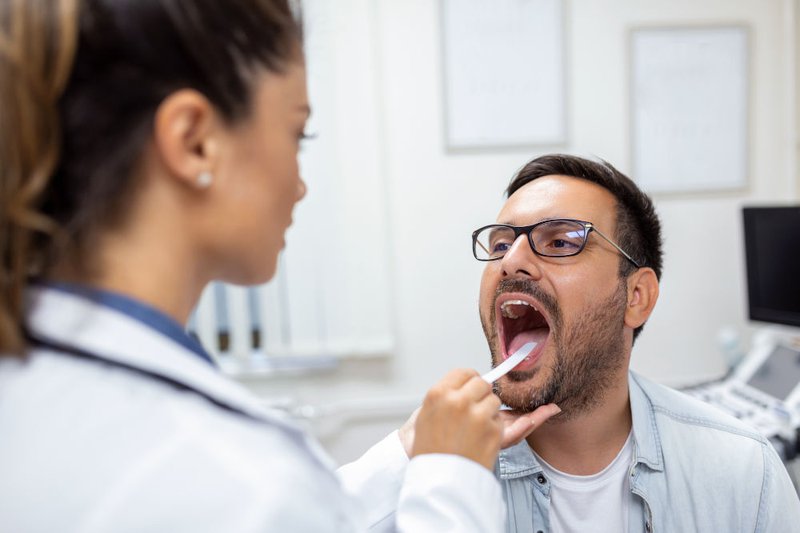
Occasional dryness may not indicate a serious problem. However, persistent dry mouth can be an early warning sign of both oral and systemic health issues. Because saliva supports the mouth’s natural defence system, its absence can trigger a cascade of oral complications.
Oral diseases linked to dry mouth
Patients with chronic xerostomia often experience rapid development of dental disease. The most common conditions associated with dry mouth include:
Dental caries (cavities)
Without adequate saliva, bacteria remain on tooth surfaces longer, producing acids that erode enamel.
Gum disease (periodontal disease)
Plaque accumulates when saliva cannot effectively wash away bacteria. This contributes to gum inflammation.
Oral fungal infections
A condition known as oral candidiasis (thrush) can occur more frequently in dry mouth environments. Candida fungi thrive when the oral microbiome becomes unbalanced.
Halitosis (bad breath)
Saliva normally helps neutralize odour-producing compounds. Reduced saliva can lead to persistent unpleasant breath.
Oral vs systemic implications of dry mouth
| Symptom or Condition | Oral Health Impact | Possible Systemic Link |
|---|---|---|
| Frequent cavities | Enamel demineralization | Medication side effects |
| Gum inflammation | Plaque accumulation | Diabetes |
| Oral thrush | Fungal overgrowth | Immune suppression |
Early detection is critical because oral symptoms may precede the diagnosis of systemic conditions.
Regular dental visits allow clinicians to monitor changes in salivary production and oral tissue health. Preventive strategies — such as hydration guidance, saliva substitutes, fluoride treatments, and regular dental cleaning — can help protect the teeth and gums.
Patients experiencing chronic dry mouth should consult a dental professional to determine the cause and develop an appropriate care plan.
Why is my mouth always dry even when I drink water?
Many people are puzzled by this situation: they drink plenty of water, yet their mouth still feels dry, sticky, or uncomfortable. The reason is simple — hydration alone does not replace the biological functions of saliva.
Water can temporarily moisten oral tissues, but it does not contain the enzymes, minerals, and antimicrobial compounds found in saliva. Xerostomia occurs when salivary glands produce insufficient saliva or when the composition changes.
Step 1: Understand how saliva normally works
Healthy salivary glands produce between 0.5 and 1.5 litres of saliva daily. According to the American Dental Association and research published in the Journal of Clinical Medicine, saliva performs several critical functions:
- Neutralizes acids produced by oral bacteria
- Supplies calcium and phosphate for enamel repair
- Washes away food particles
- Controls microbial growth
- Lubricates oral tissues for speaking and swallowing
When saliva flow drops — a condition called salivary hypofunction — the mouth becomes more vulnerable to irritation, decay, and infection.
Step 2: Identify common causes of persistent dry mouth
If drinking water does not relieve dry mouth, the underlying cause is often biological rather than a hydration issue.
Medications
Medication side effects are the most common cause of chronic xerostomia.
More than 500 medications are associated with dry mouth, including:
- Antidepressants
- Antihistamines
- Blood pressure medications
- Muscle relaxants
- Sedatives
- Decongestants
Many of these medications affect the autonomic nervous system, which controls salivary gland activity.
Salivary gland dysfunction
Dry mouth may also occur when the salivary glands themselves are damaged or blocked.
Potential causes include:
- Radiation therapy to the head or neck
- Salivary gland infections
- Salivary duct obstruction
- Nerve damage affecting gland function
Reduced gland activity prevents adequate saliva production even when hydration is normal.
Autoimmune diseases
Certain systemic conditions attack salivary glands. One of the most well-known is Sjögren’s syndrome, an autoimmune disease that causes chronic dryness of the mouth and eyes.
According to the National Institute of Dental and Craniofacial Research:
- The immune system damages salivary glands.
- Saliva production can drop dramatically.
- Patients often experience severe oral dryness, difficulty swallowing, and increased tooth decay.
Other autoimmune conditions linked to xerostomia include:
- Rheumatoid arthritis
- Lupus
- Systemic sclerosis
Mouth breathing and sleep habits
Dry mouth is often worse at night because saliva production naturally decreases during sleep. However, chronic mouth breathing can worsen the problem.
Common causes of mouth breathing include:
- Nasal congestion
- Allergies
- Deviated septum
- Obstructive sleep apnea
When air constantly passes through the mouth overnight, oral tissues lose moisture faster than saliva can replace it.
Step 3: Recognize the symptoms of chronic xerostomia
Dry mouth symptoms can vary from mild irritation to severe discomfort and may gradually worsen if saliva production continues to decline.
Common signs include:
- Sticky or dry feeling in the mouth
- Frequent thirst
- Cracked lips
- Difficulty chewing or swallowing
- Burning sensation on the tongue
- Bad breath
- Changes in taste
Dentists also look for clinical indicators such as dry oral tissues, plaque accumulation, and early enamel demineralization.
Step 4: Seek professional evaluation if symptoms persist
Persistent dry mouth should never be ignored. If symptoms continue for an extended period, they may indicate an underlying medical condition or a significant reduction in normal salivary gland function.
Dentists may evaluate:
- Saliva flow rate
- Medication history
- Oral tissue condition
- Signs of decay or gum inflammation
If necessary, patients may be referred to physicians to investigate systemic or autoimmune causes.
How does dry mouth increase the risk of cavities and gum disease?
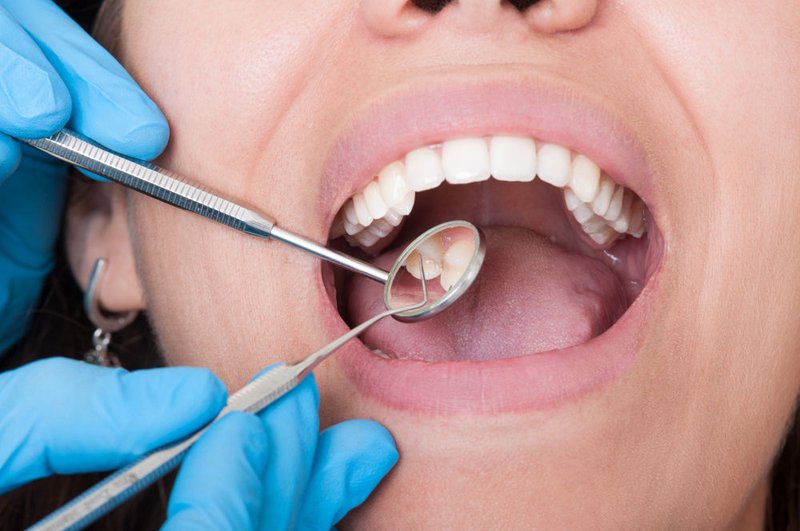
The mouth is a complex ecosystem where bacteria, saliva, and oral tissues interact continuously. When saliva levels decrease, this ecosystem becomes unstable. Without adequate saliva, the risk of tooth decay and gum disease rises dramatically.
The protective role of saliva
Saliva is not simply moisture — it contains several protective components:
- Bicarbonate ions that neutralize acids
- Calcium and phosphate that remineralize enamel
- Antibacterial proteins such as lysozyme and lactoferrin
- Mucins that lubricate oral tissues
These compounds create a natural defence system against bacteria and acid damage. When saliva production decreases, these protective effects disappear.
Dry mouth and tooth decay risk
Tooth decay develops when bacteria in dental plaque produce acids that dissolve enamel.
Normally, saliva counteracts this process by:
- Neutralizing acids
- Washing away food debris
- Rebuilding enamel minerals
But in a dry mouth environment:
- Acid remains on tooth surfaces longer
- Bacteria multiply faster
- Enamel cannot repair itself efficiently
This leads to rapid cavity formation, particularly around the gumline and between teeth.
How dry mouth contributes to gum disease
Gum disease (periodontal disease) is driven by bacterial plaque accumulation along the gumline.
Reduced saliva increases this risk by:
- Allowing plaque to accumulate more quickly
- Increasing bacterial growth
- Reducing the natural cleansing of the gum tissues
Over time, this can lead to:
- Gingivitis (inflamed gums)
- Periodontitis (bone loss around teeth)
- Tooth mobility
Comparison: Healthy saliva vs dry mouth conditions
| Oral Function | Healthy Saliva Levels | Dry Mouth (Xerostomia) |
|---|---|---|
| Acid neutralization | Rapid buffering of acids | Acid remains on teeth longer |
| Bacterial control | Antimicrobial proteins suppress bacteria | Bacterial growth increases |
| Enamel protection | Minerals repair early enamel damage | Demineralization progresses |
| Plaque removal | Saliva washes away food particles | Plaque accumulates quickly |
| Gum health | Reduced inflammation risk | Higher risk of gingivitis and periodontitis |
Long-term oral health consequences
Untreated xerostomia can lead to serious complications:
- Rapid tooth decay
- Tooth sensitivity
- Gum infections
- Oral fungal infections (such as candidiasis)
- Difficulty eating and speaking
Patients with chronic dry mouth often require more frequent dental exams and preventive care, including fluoride treatments and specialized oral hygiene strategies recommended by a cosmetic dentist or restorative dental professional.
How dry mouth symptoms develop and progress
Dry mouth symptoms often begin subtly and gradually become more noticeable over time. What starts as occasional dryness or thirst may develop into persistent discomfort as saliva production decreases. Understanding how these symptoms evolve helps both patients and dental professionals recognize xerostomia earlier and address potential complications before they worsen.
Early symptoms of dry mouth
The earliest indicators are usually mild but persistent. Many patients initially attribute them to dehydration or temporary stress. However, when symptoms continue for weeks, they may indicate an underlying salivary gland issue.
Common early-stage symptoms include:
- Persistent thirst, even after drinking water
- A sticky or thick saliva sensation
- Dry or cracked lips
- Bad breath (halitosis) is caused by reduced bacterial clearance
- Difficulty wearing dentures or oral appliances comfortably
- A slightly rough or dry feeling on the tongue
These symptoms develop because saliva normally coats the oral tissues and helps control bacterial growth. Without enough saliva, the mouth becomes a favourable environment for microbes that contribute to odour and irritation.
Advanced symptoms and complications
If dry mouth persists without treatment, symptoms often become more pronounced and may begin affecting daily functions such as eating and speaking.
More advanced symptoms include:
- Burning tongue syndrome is a painful sensation affecting the tongue or oral tissues
- Difficulty swallowing (dysphagia) due to a lack of lubrication
- Changes in taste perception
- Frequent mouth sores or ulcers
- Increased tooth sensitivity
- Higher incidence of cavities, particularly near the gumline
- Oral fungal infections, such as oral candidiasis
One particularly concerning complication is the weakening of tooth enamel. Saliva normally buffers acids produced by bacteria. When that protective mechanism declines, enamel becomes more vulnerable to erosion and structural damage.
Over time, this can contribute to cracked tooth syndrome, a condition in which microscopic fractures develop in the enamel or dentin layers of the tooth. These cracks may initially be painless but can eventually cause sharp pain during chewing.
How symptoms progress over time
Many patients notice that dry mouth symptoms fluctuate throughout the day. Saliva flow naturally decreases at night, so symptoms may feel worse upon waking.
However, when xerostomia becomes chronic, the mouth remains dry even during daytime hours. Eating dry foods, speaking for extended periods, or breathing through the mouth can intensify the discomfort.
Dental professionals often evaluate several indicators when diagnosing dry mouth:
- Saliva consistency and flow
- Condition of oral tissues
- Presence of plaque accumulation
- Frequency of new cavities
- Tongue texture and appearance
What dental treatments are available for dry mouth syndrome?
Treating dry mouth requires more than simply drinking additional water. Because saliva performs many biological functions, professional dental care focuses on protecting oral tissues, strengthening enamel, and restoring the mouth's moisture balance.
Dentists develop individualized treatment plans depending on the severity of symptoms, the underlying cause, and the patient’s overall oral health.
Professional fluoride treatments
One of the most common preventive treatments for patients with dry mouth is professional fluoride therapy.
Fluoride strengthens enamel and helps teeth resist acid damage caused by oral bacteria. When saliva production is reduced, enamel becomes more vulnerable to demineralization. Fluoride treatments counteract this process by restoring minerals to the tooth surface.
Dentists may recommend:
- Fluoride varnishes are applied during dental visits
- Prescription-strength fluoride toothpaste
- Custom fluoride trays for home use
Saliva substitutes and stimulants
Artificial saliva products — often called saliva substitutes — help recreate the lubricating properties of natural saliva.
These products typically contain ingredients that mimic saliva’s texture and moisture-retaining properties. They are available as:
- Sprays
- Gels
- Mouth moisturizers
- Oral lozenges
Some treatments also aim to stimulate salivary production. Sugar-free chewing gum containing xylitol, for example, can activate salivary glands and reduce cavity risk. Dentists may also recommend medications that stimulate saliva production in certain medical cases.
Therapeutic oral rinses
Specialized oral rinses designed for patients with dry mouth can provide additional moisture while protecting against bacteria.
Unlike conventional mouthwashes that contain alcohol, dry mouth rinses are formulated to avoid irritation and maintain oral hydration.
These rinses often include:
- Moisturizing agents
- Mild antibacterial compounds
- Ingredients that balance oral pH
Regular use can reduce plaque buildup and improve comfort when speaking or eating.
Dental monitoring and preventive care
Because dry mouth increases the risk of oral disease, more frequent dental checkups are often recommended.
Dentists monitor several indicators during these visits:
- New cavities
- Enamel erosion
- Gum inflammation
- Signs of cracked tooth syndrome
- Oral infections
Regular examinations allow dentists to intervene early before structural tooth damage develops. Patients with chronic dry mouth may be advised to visit the dentist every 3 to 4 months instead of the standard 6-month interval.
What should you remember about dry mouth causes and treatment?
Dry mouth may seem like a minor inconvenience, but its long-term effects on oral health can be significant. Understanding the causes and treatment options allows patients to respond early and prevent complications that may lead to tooth damage or cracked tooth syndrome.
Xerostomia typically develops when salivary glands cannot produce sufficient saliva to maintain a healthy oral environment. While dehydration can temporarily reduce saliva flow, chronic dry mouth is often associated with medical conditions, medications, or lifestyle factors.
Frequently Asked Questions About Dry Mouth (Xerostomia)
What is the main cause of dry mouth?
Dry mouth most commonly occurs when the salivary glands do not produce enough saliva. This can be triggered by medications, dehydration, medical conditions such as diabetes or autoimmune diseases, or lifestyle habits like smoking and mouth breathing. In many cases, xerostomia results from several factors working together rather than a single cause.
Can dry mouth damage your teeth?
Yes. Saliva plays a crucial role in protecting teeth by neutralizing acids, washing away food particles, and supplying minerals that strengthen enamel. When saliva production decreases, bacteria and acids remain on tooth surfaces longer, significantly increasing the risk of cavities, enamel erosion, and gum disease.
Why is my mouth dry even when I drink plenty of water?
Drinking water can temporarily moisten the mouth, but it cannot replace the biological functions of saliva. Xerostomia often occurs because the salivary glands do not produce enough saliva or because the composition of saliva has changed. This is why hydration alone does not always resolve persistent dry mouth symptoms.
Can medications cause chronic dry mouth?
Yes. Medication use is one of the most common causes of xerostomia. More than 500 medications list dry mouth as a potential side effect, including antidepressants, antihistamines, blood pressure medications, muscle relaxants, and sedatives. These medications can interfere with the nerve signals that stimulate saliva production.
What are the earliest signs of dry mouth?
Early symptoms often appear gradually and may include persistent thirst, sticky or thick saliva, cracked lips, bad breath, or a rough sensation on the tongue. Some people also notice difficulty wearing dentures or speaking comfortably for long periods.
Can dry mouth be a sign of a health problem?
Persistent dry mouth can sometimes indicate underlying health conditions. These may include diabetes, autoimmune disorders such as Sjögren’s syndrome, nerve damage affecting salivary glands, or systemic diseases that affect the body’s fluid balance. Because of this, ongoing symptoms should be evaluated by a dental or medical professional.
Does dry mouth increase the risk of oral infections?
Yes. Saliva helps control the balance of microorganisms in the mouth. When saliva levels drop, bacteria and fungi can grow more easily. This can lead to oral infections such as candidiasis (oral thrush), gum inflammation, and persistent bad breath.
How do dentists diagnose dry mouth?
Dentists evaluate several indicators when diagnosing xerostomia. These may include measuring saliva flow, reviewing medication history, examining oral tissues for dryness or irritation, and checking for signs of plaque buildup, cavities, or enamel demineralization.
What treatments are available for dry mouth?
Treatment depends on the underlying cause and severity of symptoms. Dentists may recommend fluoride treatments to protect enamel, saliva substitutes to improve oral lubrication, specialized oral rinses, and lifestyle changes such as improving hydration and reducing caffeine or alcohol intake. In some cases, medications that stimulate saliva production may also be prescribed.
When should you see a dentist for dry mouth?
If dry mouth symptoms persist for several weeks, interfere with eating or speaking, or are accompanied by frequent cavities, mouth sores, or difficulty swallowing, it is important to seek professional evaluation. Early diagnosis allows dental professionals to identify the cause and prevent long-term oral health complications.
