
Dr. Amir Guorgui completed his dental education at the University of Montreal in 2001. He holds a prestigious Mastership designation at the College of Sedation, a recognition of his unwavering dedication to delivering top-notch sedation services to his patients. As an esteemed member of the Vaughan community, Dr. Guorgui takes great pleasure in connecting with his patients and imparting valuable knowledge about their oral health.
Receding Gums: Why Your Gums Are Pulling Back and How Dentists Treat It
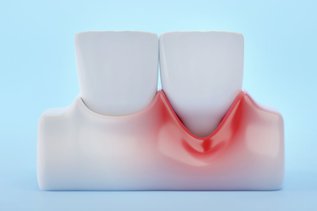
Receding gums, also called gum recession, develop when the gum tissue around your teeth pulls back and exposes more of the tooth or its root. The most common causes are gum disease, brushing too hard, teeth grinding, naturally thin gum tissue and smoking. Lost gum tissue does not grow back on its own, but treatment can prevent further recession. Dentists treat receding gums with scaling and root planing in the earlier stages and with gum grafting in more advanced cases. Many private dental plans and the Canadian Dental Care Plan provide some coverage for periodontal treatment, depending on clinical classification. If your teeth look longer than they used to, feel newly sensitive to cold or show darker root surfaces near the gum line, it is time for a dental assessment.
At Mapleridge Smile Centre in Maple, gum recession is one of the most common findings our dentists see during routine exams, often in patients who had no idea their gums were changing. This guide explains why gums recede, how to recognize the early warning signs, which treatments actually work and what you can do to keep recession from progressing.
Key Takeaways
- Gum recession exposes tooth roots and does not reverse on its own, but early treatment can stop it from progressing.
- Gum disease is the leading cause of receding gums, followed by aggressive brushing, teeth grinding, genetics and smoking.
- Scaling and root planing are the standard non-surgical treatments, and gum grafting can restore lost tissue in advanced cases.
- New sensitivity to cold, longer-looking teeth, and visible root surfaces are the most common early warning signs.
- Gentle brushing with a soft-bristled brush, regular professional cleanings and treating teeth grinding protect your gums long term.
Find our Dental Clinic Near You
What Causes Receding Gums?
Gum recession rarely has a single cause. In most patients it develops gradually from a combination of gum disease, mechanical wear on the gum line and individual risk factors.
Gum Disease Is the Leading Cause
Periodontal disease is the most common reason gums pull away from teeth. It begins when plaque, a sticky film of bacteria, builds up at and below the visible edge of the gums. If plaque is not removed daily with brushing and flossing, it hardens into tartar, which cannot be removed at home. Tartar can lead to an infection at the point where the gums attach to the teeth, and as the infection progresses, the gums lose that attachment and begin to recede. The Canadian Dental Association notes that gum disease is one of the main reasons adults lose their teeth, yet it can almost always be prevented and, in its early stages, even reversed with treatment.
Brushing Too Hard or With the Wrong Brush
Many patients are surprised to learn that overbrushing damages gums. Scrubbing aggressively with a hard-bristled toothbrush wears away gum tissue at the gum line and can also wear down enamel near the roots. The damage is slow and painless, which makes it easy to miss for years. Recession from brushing often appears on the outer surfaces of the canines and premolars, where the brush exerts the strongest pressure. Switching to a soft-bristled brush and using short, gentle strokes protects the gum line while still effectively removing plaque.
Teeth Grinding and Clenching
Chronic grinding and clenching, known as bruxism, put heavy force on teeth and the tissues that support them. Over time, this force can contribute to gum recession, notching near the gum line, and enamel wear. Many people grind their teeth at night without realizing it. Overworked jaw muscles can also become sore, leading to problems with the jaw joints. If grinding is contributing to your recession, treating the recession alone will not solve the underlying problem. At Mapleridge Smile Centre, custom bite therapy appliances redistribute forces on the TMJ and jaw muscles while protecting the teeth, helping relieve destructive pressure on the gums and supporting structures.
Genetics and Naturally Thin Gum Tissue
Some people are simply born with thinner, more fragile gum tissue. If your parents experienced gum recession, you are at higher risk of developing it too, even with excellent home care. Thin tissue offers less protection against everyday stresses such as brushing, chewing and minor gum inflammation. Tooth roots covered by thin tissue also become exposed more quickly once recession begins. Patients with a thin gum biotype benefit from earlier monitoring because small changes matter more when there is less tissue to lose.
Smoking and Tobacco Use
Tobacco use is strongly linked to gum problems of every kind, including recession. Smoking reduces blood flow to the gum tissue, which weakens its ability to resist infection and to heal after damage. Smokers also build up more tartar and often develop gum disease that progresses faster and responds less predictably to treatment. Because smoking masks bleeding, one of the key warning signs of gum disease, problems can advance quietly. Quitting is one of the most effective steps a patient can take to protect their gums and improve treatment outcomes.
Tooth Position and Orthodontic Factors
Teeth that sit outside the ideal position in the dental arch are more likely to have thin bone and gum coverage on one side. A tooth tilted outward, for example, may have very little tissue protecting its root surface, so even normal brushing can trigger recession there. Crowding makes some areas harder to clean, allowing plaque and tartar to accumulate along the gum line. Recession can also appear around teeth that have moved during orthodontic treatment when the tissue is thin. Your dentist assesses tooth position as part of a recession evaluation because it changes both the risk and the treatment plan.
How to Tell If Your Gums Are Receding
Gum recession develops slowly, so the early signs are easy to overlook. Knowing what to watch for helps you catch the problem while it is still simple to manage.
What Receding Gums Look Like
The most visible sign is teeth that appear longer than they used to. As the gum edge moves toward the root, more of the tooth surface is exposed, and you may notice the exposed root looks slightly darker or more yellow than the enamel above it. The gum line may look uneven from tooth to tooth, with some teeth showing noticeably more surface than their neighbours. Some patients see a small notch or groove where the tooth meets the gum. Comparing an old photo of your smile with what you see in the mirror today can make these gradual changes obvious.
Sensitivity and Exposed Roots
Tooth roots are not covered by enamel, so when recession exposes them, the tooth often becomes sensitive. Cold drinks, cold air, sweet foods, and even brushing can cause a short, sharp reaction in the affected area. Sensitivity in a tooth that never bothered you before is one of the most reliable early signs of recession. The exposed root surface is also softer than enamel, which makes it more vulnerable to decay and wear. If a sensitive spot aligns with a visibly lower gum line, recession is likely the cause and warrants a professional evaluation.
When Recession Signals Gum Disease
Recession that occurs with other gum symptoms usually indicates active periodontal disease rather than mechanical wear. Warning signs include gums that bleed when you brush or floss, persistent bad breath, redness or puffiness along the gum line and a change in how your teeth fit together. In more advanced cases, dental X-rays may show loss of the bone that supports the teeth. Healthy gums form a tight seal around each tooth, and when disease breaks that seal, the resulting deep pockets collect more bacteria, accelerating both gum recession and bone loss. Any combination of these signs is a good reason to promptly book a periodontal evaluation.
Can Receding Gums Grow Back?
The honest answer is no. Gum tissue that has receded does not regenerate on its own, and no toothpaste, rinse, or home remedy can rebuild it. While receded gums do not grow back naturally, professional treatment can help prevent further recession, and surgical procedures may restore lost gum tissue coverage when appropriate.
This is why early action matters so much. When recession is caught early, treating the underlying cause, whether it is gum disease, brushing habits or grinding, can stop the tissue loss where it is. Reducing gum inflammation can also help the remaining tissue fit more snugly around the teeth, even though the lost height does not return. In a deeper recession, gum grafting can cover exposed roots with new tissue, which protects the roots, reduces sensitivity, and improves the look of the smile. The goal of modern receding gums treatment is stabilization first, followed by restoration where needed.
How Do Dentists Treat Receding Gums?
Treatment depends on how far the recession has progressed and what is driving it. Most patients start with a periodontal evaluation followed by non-surgical care, and only a minority need surgical treatment.
A Periodontal Evaluation Comes First
Before recommending any treatment, your dentist needs to understand the stage and cause of the recession. A periodontal evaluation typically includes measuring the depth of the pockets around each tooth with a periodontal probe, checking which root surfaces are exposed and reviewing dental X-rays for signs of bone loss. Your dentist will also look at your brushing habits, signs of grinding and the thickness of your gum tissue. This assessment determines whether the recession is stable or active and whether gum disease is present. The findings shape everything that follows, from the type of cleaning you need to whether grafting should be considered.
Scaling and Root Planing: Non-Surgical Gum Therapy
For recession linked to gum disease, the first-line treatment is a deep cleaning known as scaling and root planing, performed below the gum line to remove plaque, tartar, and bacterial buildup from the root surfaces. Smoothing the roots helps the gums reattach more tightly and reduces the pocket depth where bacteria collect. At Mapleridge Smile Centre, non-surgical gum therapy is performed under local anesthetic to keep you comfortable, and mild sensitivity afterward typically settles within a few days. Depending on how many areas need treatment, therapy may be completed in a single visit or spread over multiple appointments. Treating the infection early helps control inflammation and slow the progression of periodontitis before more invasive procedures become necessary.
Gum Grafting and Surgical Options
When the recession is deep, when roots are exposed or when non-surgical care cannot stabilize the tissue, surgical treatment enters the picture. A gum graft places new tissue over the exposed root, most often using tissue taken from the roof of the mouth or a donor source, and the graft protects the root while restoring a healthier gum contour. Pocket reduction procedures may be recommended when deep pockets persist after deep cleaning. For serious forms of gum disease that do not improve with standard care, your dentist may refer you to a periodontist, a specialist with at least three years of additional university training in treating gum disease and restoring lost gum and bone tissue. Surgical treatment is always paired with control of the original cause, because a graft placed over an untreated habit or infection will face the same forces that caused the recession in the first place.
The table below compares the two main treatment paths.
| Non-Surgical Gum Therapy | Gum Grafting | |
|---|---|---|
| Best suited for | Early to moderate recession linked to gum disease | Deeper recession with exposed, sensitive roots |
| What happens | Scaling and root planing below the gum line to remove plaque and tartar | New tissue is placed over the exposed root to restore coverage |
| Anaesthetic | Local anaesthetic | Local anaesthetic |
| Visits | One or several appointments, depending on the areas treated | Surgical appointment plus follow-up visits |
| Main goal | Stop the infection and prevent further recession | Cover the root, reduce sensitivity and rebuild the gum contour |
Does Insurance Cover Receding Gums Treatment?
Periodontal treatment is generally considered necessary dental care rather than a cosmetic service, so many plans provide some level of coverage. The details depend on your specific plan and on how the treatment is classified clinically.
Most private dental plans in Ontario include scaling and root planing under basic or periodontal services, often with annual limits on the number of units. Gum grafting and other surgical procedures are usually classified differently and may require preauthorization or predetermination from your insurer before treatment. Sending a treatment plan to your insurance provider in advance is the most reliable way to confirm what your plan will pay.
The Canadian Dental Care Plan (CDCP) includes periodontal services for eligible patients, and coverage for a given procedure depends on clinical classification within the program guidelines. Please note that Mapleridge Smile Centre follows the Ontario Dental Association (ODA) fee guide rather than the CDCP fee guide. Patients covered by the CDCP are responsible for their co-payment and the difference between the CDCP reimbursement and the ODA rate, with any balance due at the time of the appointment. The clinic bills the CDCP directly through Sun Life, and our team can help you review your coverage before treatment begins.
| Treatment | Typical Private Plan | CDCP |
|---|---|---|
| Periodontal evaluation and exams | Usually covered under basic or preventive services | Depends on clinical classification |
| Scaling and root planing | Usually covered with annual unit limits | Depends on clinical classification |
| Gum grafting and periodontal surgery | Varies by plan, preauthorization often required | Depends on clinical classification |
How to Stop Receding Gums From Getting Worse
Whatever treatment you receive, daily habits decide whether your gums stay stable. The steps below directly address the most common causes of recession.
- Use a soft-bristled toothbrush and gentle, short strokes. Let the bristles do the work instead of pressure, and pay special attention to the areas where the teeth and gums meet.
- Floss daily to remove the plaque between teeth that brushing cannot reach, because plaque left along the gum line is the starting point of gum disease.
- Keep up regular professional dental cleaning appointments. Only a hygienist can remove tartar once plaque has hardened, and cleanings keep bacteria from collecting below the gum line where recession begins.
- Do not skip routine check-ups. Consistent preventive dentistry visits allow your dentist to measure your gum line over time and catch millimetre-level changes long before you would notice them at home.
- Address teeth grinding. A custom night appliance protects both your teeth and the supporting tissues from the forces of clenching and grinding.
- Quit smoking. Tobacco restricts blood flow to the gums, hides the warning signs of gum disease and slows healing after any treatment.
“Most patients do not notice recession until a tooth becomes sensitive or starts to look longer than it used to. By that point, the lost tissue will not return on its own, which is why we focus on detecting the earliest changes during routine exams. When we treat the cause early, whether it is gum disease, grinding or brushing habits, we can almost always stop the recession from progressing.” Dr. Yara Al Dabbagh BDS, Mapleridge Smile Centre
Healthy Gums Are the Foundation of a Lasting Smile: What to Remember About Gum Recession
Receding gums are common, progressive and, most importantly, manageable. The tissue you lose will not grow back on its own, but that fact should motivate action rather than worry. Recession caught early can almost always be stabilized by treating its cause, whether that means non-surgical gum therapy for infection, a night appliance for grinding, or simply changing the way you brush. When recession is more advanced, gum grafting offers a proven way to cover exposed roots, calm sensitivity, and restore a natural gum line.
The practical takeaway is simple. Check your gum line in the mirror from time to time, take new sensitivity seriously and keep your regular dental visits even when nothing hurts. Gum recession develops silently over the years, and the patients who preserve the most tissue are the ones whose dentists watch for it.
| Do | Do Not |
|---|---|
| Brush gently with a soft-bristled toothbrush twice a day | Scrub aggressively or use a hard-bristled brush |
| Floss daily along the gum line | Ignore bleeding gums or persistent bad breath |
| Book a dental assessment for new sensitivity or longer-looking teeth | Wait for pain, since recession is usually painless until it is advanced |
| Treat grinding with a custom appliance | Rely on home remedies to regrow gum tissue |
| Keep regular cleanings and check-ups | Skip visits because your teeth feel fine |
Frequently Asked Questions About Receding Gums
Can receding gums be reversed at home?
No. Once gum tissue has receded, no toothpaste, oil, rinse or supplement can make it grow back. What home care can do is stop recession from getting worse by removing the plaque that drives gum disease and by eliminating aggressive brushing. Think of home care as protection for the tissue you still have. If the recession is already noticeable, a professional evaluation should come first so the cause can be treated rather than guessed at.
Do gums grow back after scaling and root planing?
The lost gum height does not return, but the treatment still changes how your gums look and feel. Removing the infection allows inflammation to settle, so the gums often become firmer, less puffy and more tightly adapted around the teeth. Pocket depths shrink, which makes the gum line easier to keep clean and more resistant to further breakdown. The purpose of scaling and root planing is to stop the disease that causes recession, not to rebuild tissue.
How fast do gums recede?
For most people, recession progresses slowly over years, often a fraction of a millimetre at a time, which is exactly why it goes unnoticed. It can move faster when active gum disease, heavy grinding or hard brushing is involved. The speed also varies from tooth to tooth depending on tissue thickness and tooth position. Because the pace is unpredictable, dentists track the gum line at routine visits and compare measurements over time. A sudden change is a signal to look for an active cause.
Is gum recession always caused by gum disease?
No. Gum disease is the leading cause, but recession can also develop in perfectly clean mouths from brushing too hard, grinding, naturally thin tissue, or teeth positioned outside the ideal arch. That distinction matters because the treatment differs. Disease-driven recession needs infection control first, while mechanical recession needs the habit or force corrected. A periodontal evaluation identifies which type you have, and some patients have a combination of both.
Is gum grafting painful?
The procedure is performed under local anesthetic, so you should not feel pain during the graft placement. Afterward, most patients describe soreness and sensitivity in the treated area for several days, which is usually manageable with the aftercare instructions your dentist provides. Discomfort tends to be mildest when the graft site is protected and the mouth is kept clean as directed. Your dentist will review what to eat, how to brush around the area and when to return for follow-up. Most people are back to their normal routine within a short time.
